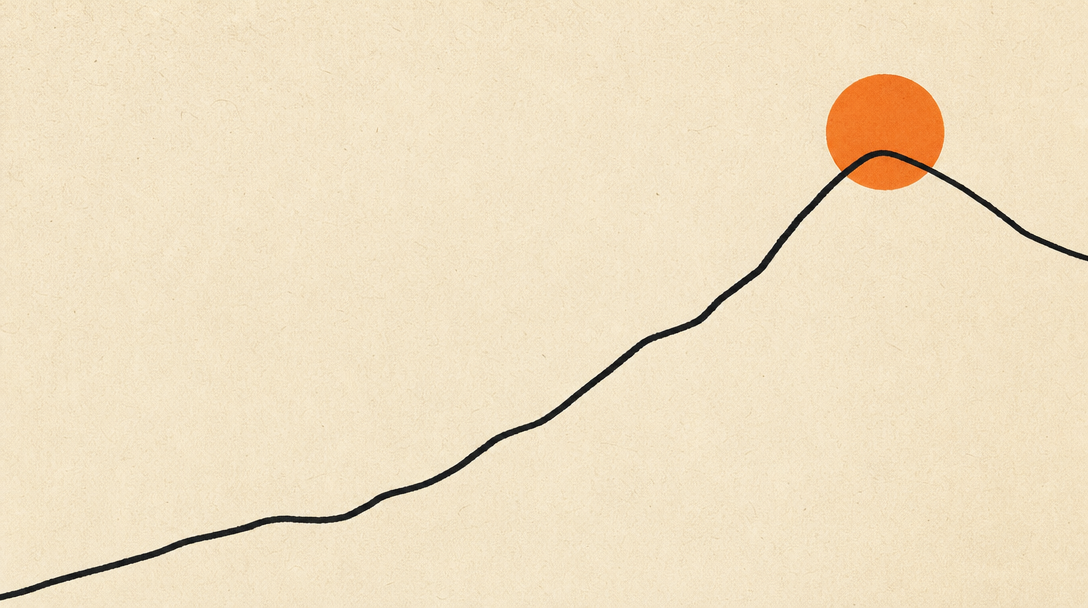
Every ad account hits the same wall. The first few weeks are great, costs are low, results are strong. Then the numbers drift. Clicks get more expensive. Conversions get rarer. Someone in the room says the audience must be tired of us. That's usually wrong. Audiences don't get tired of brands, they get tired of seeing the same thing. The ad isn't worn out. The creative is.
What fatigue actually is
Creative fatigue gets blamed for a lot of things it doesn't cause. Before you kill a campaign, it's worth knowing what's actually happening. There are two different problems that look identical from the dashboard. Audience saturation means you've genuinely reached most of the people who could buy, and the remaining pool is smaller and harder. Creative fatigue means the same people are still seeing your ad, but they've stopped noticing it. The first is a market problem. The second is a content problem, and it's the one you can actually fix.
Why the same ad stops working
People don't consciously decide to ignore an ad. Their brain does it for them. The first time someone sees a piece of creative, it's new information and it earns attention. The tenth time, it's background noise. Nothing about the offer changed. The product is still good, the targeting is still right. The ad just stopped being worth looking at.
Platforms make this worse. Meta and Google are built to show your ad to the same people repeatedly, because those are the people most likely to convert. So your best audience sees your creative more often than anyone else, which means the people who matter most are the first ones to stop noticing.
The refresh habit
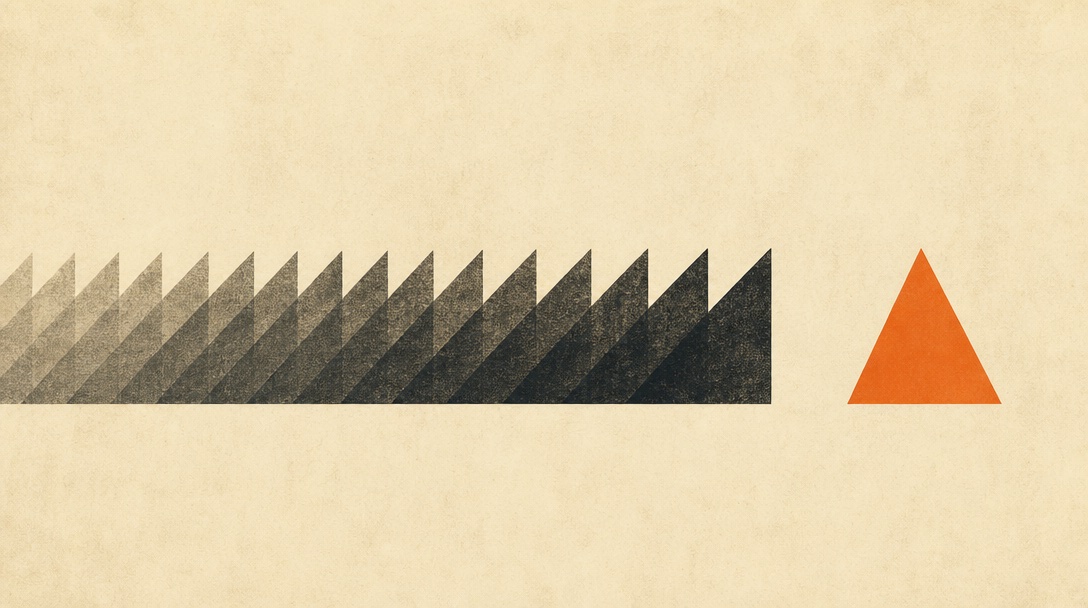
Most businesses treat creative as a one-off. They make an ad, launch it, and only touch it again when performance drops. By then the damage is done. The better approach is to treat creative like inventory. You don't wait for the shelves to be empty before you order more. You keep a pipeline of variations ready, and you rotate them before the old ones stop working, not after.
You don't need a new campaign for this. New creative inside a working campaign is usually cheaper and faster than starting from scratch, because the targeting and the learning are already done. The platform just needs something fresh to show.
What actually moves the needle
A few habits separate the accounts that stay stable from the ones that yo-yo.
- Change the idea, not just the colours. A new image with the same headline is a new ad to the algorithm but the same ad to a human.
- Rotate on a schedule, not on a crisis. If you wait for performance to drop, you've already paid for the decline.
- Keep a bank of variations ready. The goal is to always have something better to test, not to find one perfect ad.
- Let the platform tell you. When frequency climbs and click-through falls, that's the signal, and it arrives before the cost does.
The honest part
Creative fatigue is not a failure. It's the normal lifecycle of any ad, and it's the reason the brands that win are the ones with a system for making more. The businesses that treat creative as a renewable resource keep their costs down and their results stable. The ones that treat it as a one-off are always catching up.
When Google and Meta automate your ads, the creative is the one thing the platforms can't supply. They can find the audience and set the bid. They can't make people care. That part is still yours.
If your ads started strong and drifted, that's usually fixable without a bigger budget. It's a creative problem, and it's the kind of problem we work on every day. Our paid social team can help you build a rotation that keeps performance up, or start the conversation and we'll take a look at what's actually happening in your account.