
Content used to be expensive. You needed a writer, a camera, a designer, and time. Now anyone with a subscription can generate a month of posts before lunch. The internet is filling up with it. That should be good news for marketers. It hasn't been.
What cheap content did to attention
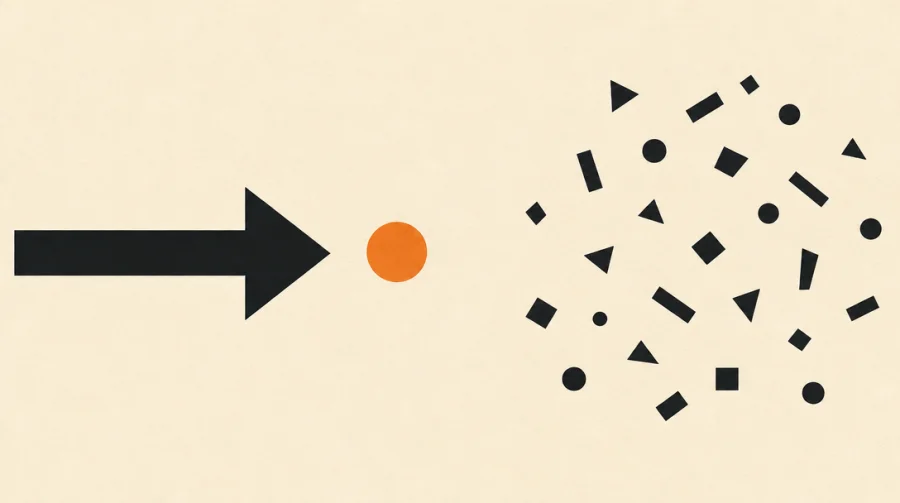
Cheap content changed the economics of attention. Supply went up, and attention didn't grow to match. Every post, video and article now competes with more of the same, made by people who paid almost nothing to produce it. The result is showing up everywhere: organic reach keeps shrinking, ad costs keep climbing, and content that used to stand out now has to shout to be heard.
Businesses feel this as a slow squeeze. They post more, get less, and conclude the algorithm hates them. Usually the algorithm was never the problem. The market filled up with things that cost nothing to make, and the platforms responded by charging for attention instead of giving it away. We wrote about that shift in organic social, and it's only accelerated since.
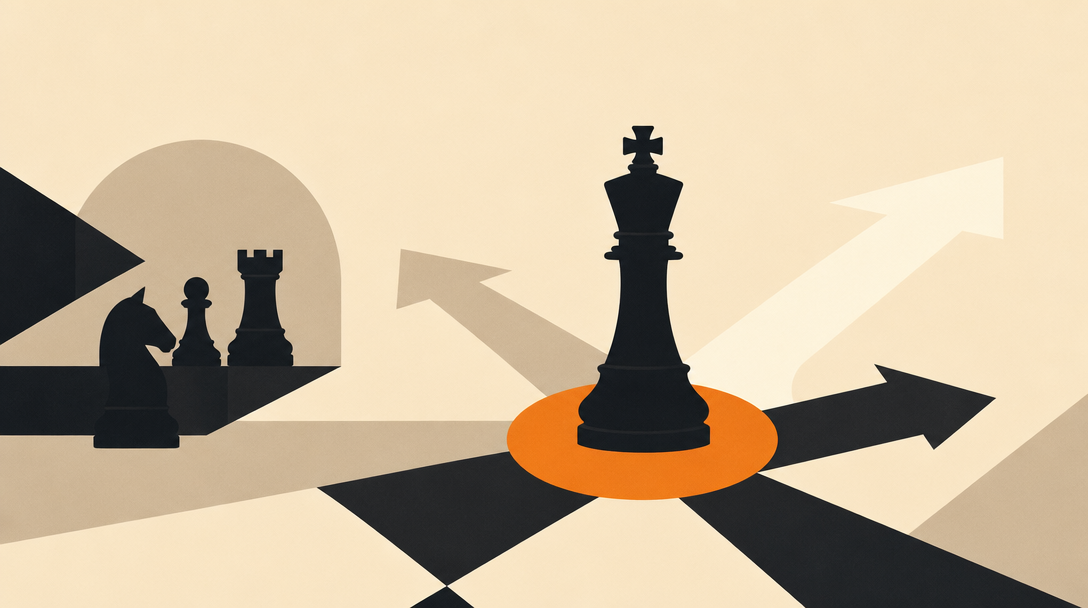
None of this means publishing is pointless. It means the price of being noticed went up, and the content that earns it now has to carry something the flood doesn't have.
What the flood can't copy
The content that still gets attention is the stuff that stayed expensive to make, because it was expensive for a reason. It carries direct experience. The founder who wrote down what happened when they raised prices. The marketer who ran the test and published the numbers, good or bad.
AI can draft and summarise. What it can't do is have been in the meeting, or name the customer who pushed back, or tell you what the market said when you launched. That first-hand material is the one supply that didn't get cheaper, and scarcity is what attention pays for now.
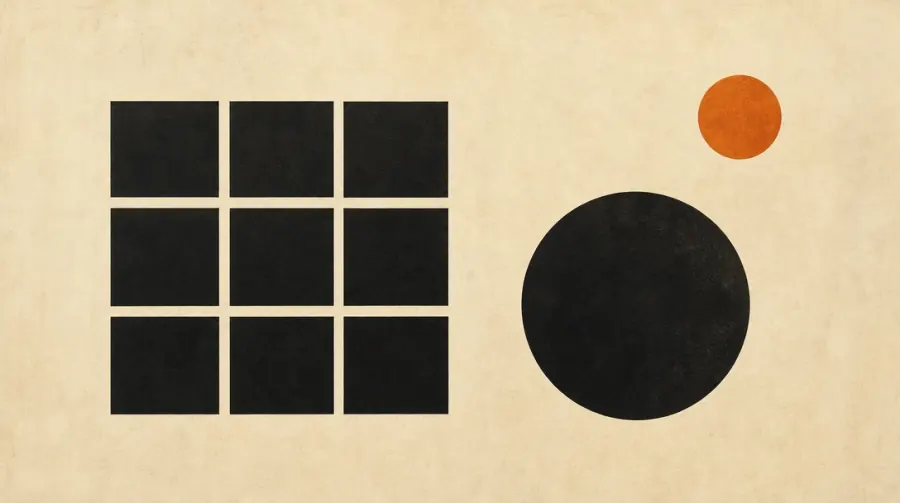
Most generated content fails on the same test. It's technically fine. It reads like it knows the topic. But it has no skin in the game, and readers feel that faster than they can name it. A post with one specific detail you'd have to be there to know beats a polished summary every time.
What changes in practice
The practical shift is harder than it sounds, because it asks you to stop doing a thing you're good at. A couple of changes matter more than the rest:
- Cut the volume. The flood punished publishing for its own sake. Two posts a month that only you could write beat twenty that anyone could.
- Sell the proof, not the promise. Screenshots of results and the customer's own words. Evidence is the last honest differentiator.
- Pick a side. Generated content averages the internet. A specific opinion is the one thing it can't copy, and the people who agree with you will remember it.
- Put your people in front. The founder's story, the team's experience, the mistakes made along the way. It's the only content the flood can't reproduce.
The new bar
It's worth being precise about what survives, because the dividing line isn't where most people think. It's not about being polished, or first to the trend. The content that clears the flood is the content that cost its maker something: time, money, reputation, or the discomfort of publishing a real opinion.
That's why 'can I say this?' is the best filter, and it's a hard one. Most content fails it. The bar in front of you is simple to state and unpleasant to meet. Publish less, mean it more. Let the work you've actually done do the talking.
The honest part
We hold ourselves to the same standard. There are a hundred agencies publishing ten posts a week that all say the same thing. We'd rather write one thing we believe, and we use AI the way we'd use a fast junior: it drafts, a person decides, and it only ships if we'd put our name on it. We covered the detail of that process in how we use AI for content. None of this is nostalgia for doing things by hand. It's the only positioning that survives the flood.
If your content plan is running on volume and the results are flattening, the fix usually isn't more output. It's deciding what only you can say, and saying it properly. Our content team builds that for clients, and we're happy to look at yours.