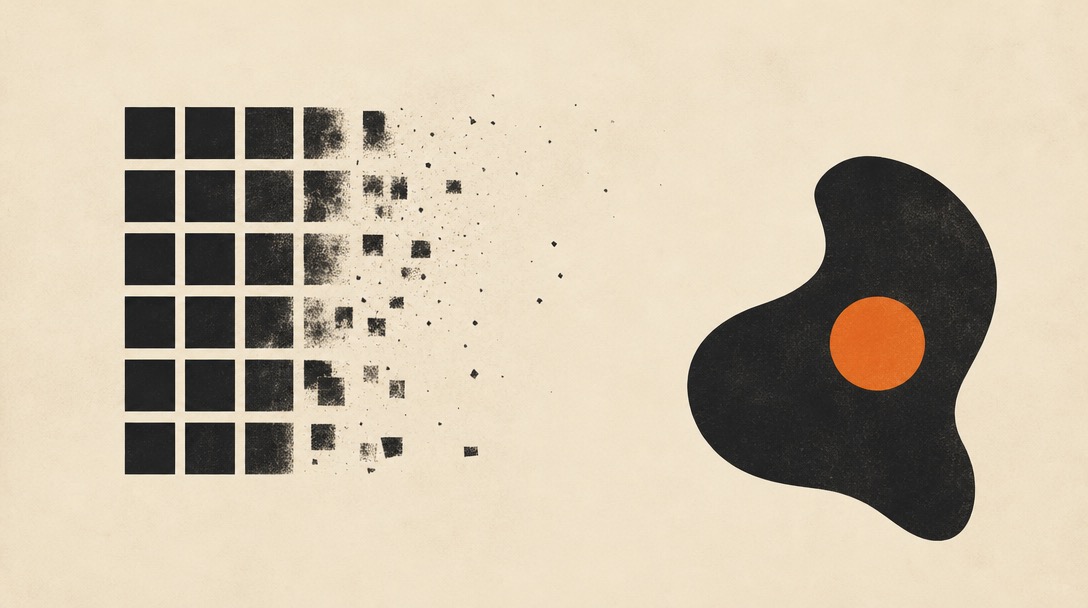
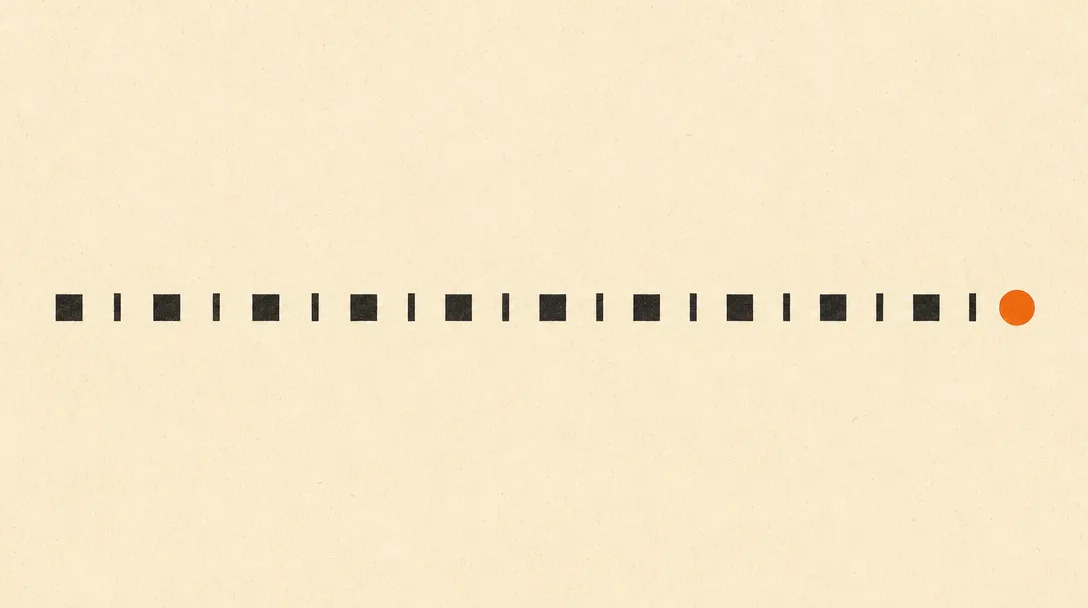
Every business has watched one post blow up for someone else and thought the same thing: if we could just make that happen once, we'd be set. It's an understandable instinct, and it's almost always wrong. Virality is a lottery ticket. Consistency is a compounding asset. The accounts that build real audiences, the ones that turn into enquiries and sales, almost never get there on a single hit. They get there by showing up, week after week, with something worth paying attention to.
Why virality is the wrong target
A viral post is a spike, not a system. It sends a flood of strangers to your profile for 48 hours, and most of them leave without remembering who you are. The algorithm rewarded the moment, not the brand. If your account has nothing consistent behind that moment, the attention evaporates. You're back to zero, waiting for lightning to strike again.
Worse, chasing virality bends your content toward whatever the platform rewards that week. Trends, sounds, outrage, bait. None of it builds a relationship with the customers you actually want. The businesses that win long term treat a viral moment as a bonus, not the plan. When one lands, great. They don't reorganise the whole strategy around chasing the next one.
What consistency actually does
When you post on a steady rhythm, two things happen that a single hit can't deliver. The platform learns who your content is for and starts serving it to similar people, which means each post does a little of the targeting work for the next one. Your audience starts to expect you, which means they show up instead of scrolling past, and expectation is the difference between a follower and a fan. What works on Instagram and TikTok in 2026 is still rhythm over volume, and that hasn't changed.
The compounding part is the real point. Every consistent post adds to a body of work that new visitors can scroll through. A profile with 40 thoughtful posts sells your credibility before you say a word. A profile with one viral hit and three months of silence sells nothing, because the first thing a curious visitor checks is whether the good post was an accident or a habit.
There's a quieter benefit too. A steady cadence forces you to get better at making content, because repetition is where craft comes from. The first post is awkward. The tenth post is sharper. The fiftieth post is the one where your voice actually sounds like you. Nobody gets there by waiting for the perfect idea before they start.
How to make consistency sustainable
- Pick a cadence you can actually hold for six months. One good post a week beats five rushed ones that burn you out by February.
- Build a small library of themes, not a list of individual posts. Themes are reusable; one-off ideas run out fast. A content engine turns one idea into a stream instead of a constant scramble.
- Batch your filming and writing into a single focused block each week, so the work stops bleeding into every other part of your business.
- Decide what 'good enough' looks like before you post, and ship when you hit it. Perfectionism is just procrastination in a nicer outfit.
None of this is glamorous. It's the marketing equivalent of eating well and exercising. The businesses that do it aren't more talented or better resourced. They've just decided that showing up is a habit, not a performance. That decision is the strategy, and everything else is execution.
The honest trade-off
Consistency won't make you famous this quarter. It also won't make you dependent on a platform's mood. Organic social media isn't free anymore, and that's exactly why a steady, owned body of content matters. The accounts that compound keep earning attention whether the algorithm is feeling generous or not, because they've built something the algorithm can't take away.
There's a cost to this approach, and it's worth naming. You have to keep going when nobody's watching, which is the hardest part of social for most businesses. The early weeks feel like shouting into a void. The months after that feel like shouting into a slightly bigger void. Then, somewhere between month three and month six, the work starts to come back to you in the form of saves, shares, DMs and enquiries. The businesses that quit before that point never see it turn.
If your social posting stops and starts with your mood, that's the first thing to fix. Not your hashtags, not your editing style, not which platform is trending. The rhythm. Get the rhythm right and most of the other problems solve themselves, or stop mattering. If you want a hand setting up a cadence that actually lasts, that's the kind of work we do, and we'd rather start the conversation early.